Algae, biomass and cleaning procedures
Cleaning of the swimming pools needs public procedures, supervision records and confirmation of where organic material goes. A post-cleanup photo cannot replace a report.
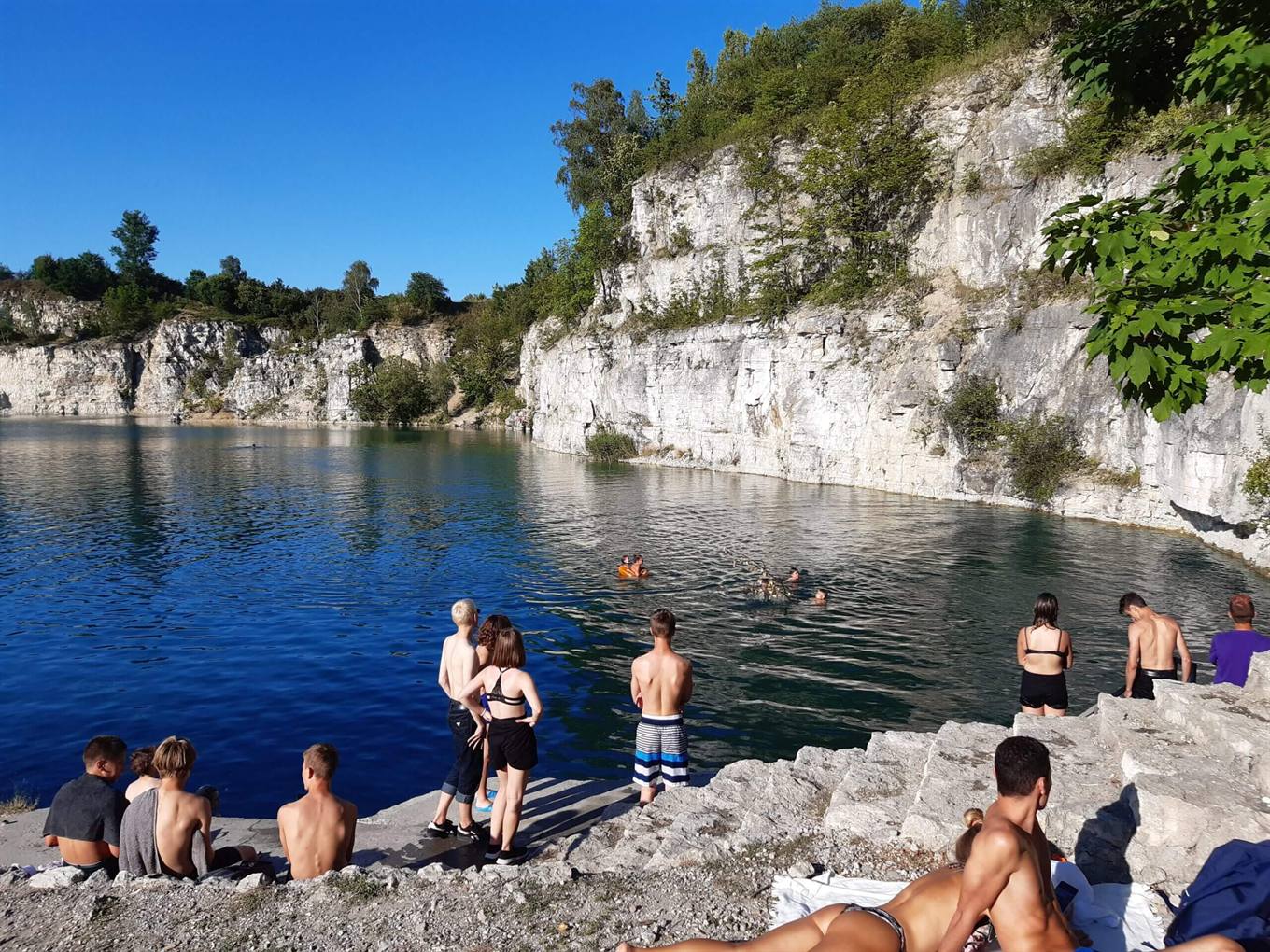
A civic dossier on Zakrzówek · Kraków
We protect it from degradation, not from people. We do not want to close the reservoir or turn it into a place for divers only. We want transparent research, responsible use and public accountability for decisions about this shared water.
This is not a call to close the reservoir. It is a public board of issues that require documents, research and field observations.
Cleaning of the swimming pools needs public procedures, supervision records and confirmation of where organic material goes. A post-cleanup photo cannot replace a report.
Research should cover the full water column, bottom sediments, oxygen, hydrogen sulphide, vegetation and points indicated by divers, not only the surface area.
Photos, dates, places and short descriptions help separate facts from emotion. Operators, cleanups, CSW and public funds require public accounting.
Regular donations help fund research, equipment and careful field work. Even a small monthly amount gives us predictable support for planning the next actions.
Support us on Patronite (opens in a new tab)Payments are handled by Patronite. You can give once or monthly, and cancel at any time.
Ambassadors and Patrons supporting us on Patronite
No one descends without a partner under water. We follow the same rule when documenting the lake. These are the organisations that support the Association’s work.
 (opens in a new tab)
 (opens in a new tab)
 (opens in a new tab)
 (opens in a new tab)
 (opens in a new tab)
 (opens in a new tab)
 (opens in a new tab)
Your company or institution can support the documentation too. Write to us.
We publish when there is something to show: decisions, research, bottom observations, questions about procedures and issues requiring independent verification.
If data disappears into official messages, we return to it as a dossier: with date, category and a trail for further checking.
Loading articles.
We publish only verified entries. The register has been opened; the first records appear once a Polish source article is public and an English version exists.
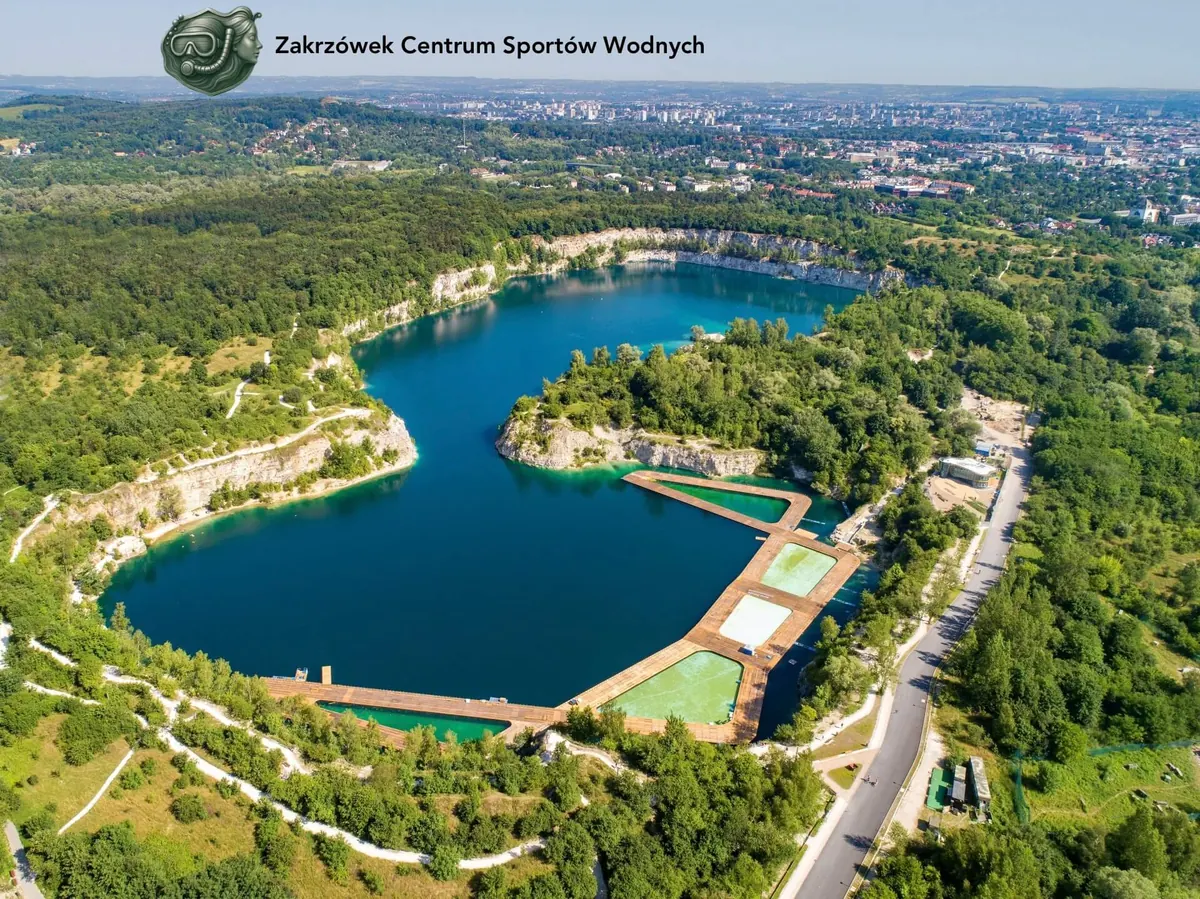
Zakrzówek is one of Kraków's most recognisable recreation sites. During the season, hundreds of people use it every day. It is also a deep and sensitive reservoir where the most serious damage can develop far below the bathing zone.
In recent years, residents, divers and users have reported algae in the pools, waste on the bottom, litter on platforms, jumping in unsafe places, and questions about monitoring, cleaning and management. Water that looks clear from the shore is not proof of a healthy reservoir.
That is why the Underwater Zakrzówek Association was formed: a civic initiative acting legally, factually and consistently to protect the reservoir from further, and in the worst case total, degradation.
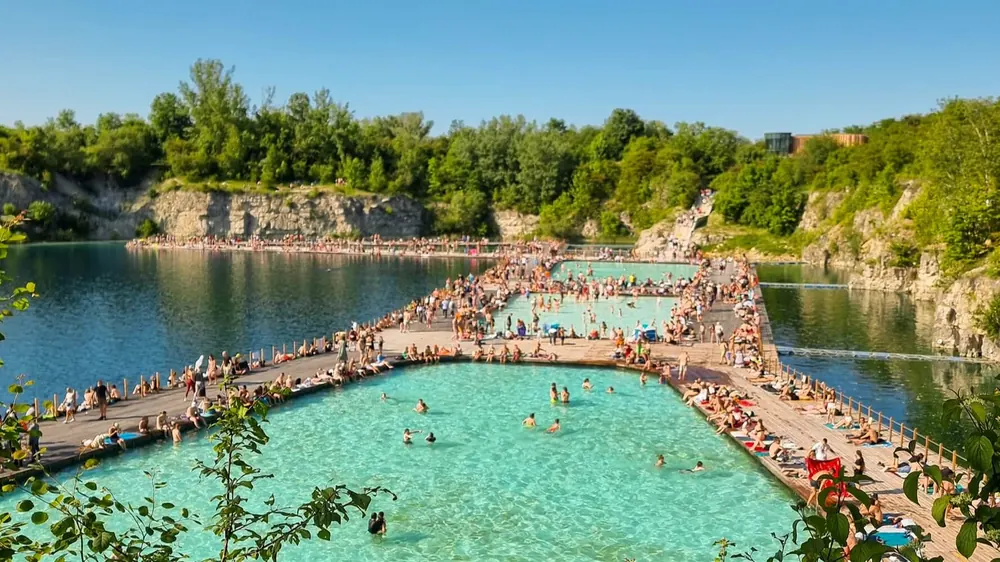
The surface everyone knows. The deeper water most people never see.
Divers, freedivers, swimmers, residents and everyone who cares about the reservoir.
We are a group of divers, freedivers, swimmers, SUP users, people connected with the HSA community, Kraków residents and friends of Zakrzówek.
Our formal goals include protecting the reservoir from pollution, caring for its ecosystem, supporting organised cleanup dives, monitoring water and bottom pollution with specialists, and cooperating with managers and public administration.
We are not fighting residents. We are fighting decisions that can damage the reservoir. Divers see processes that remain invisible from the shore, but Zakrzówek is not, and should never become, a place only for divers.
We do not settle facts without data. We point to places where the signals are serious enough that a reassuring message is not enough. Research, documents and public procedures are needed.
Specific, verifiable demands. Less guessing, more research, more openness and public accounting for decisions made around a shared reservoir.
Area: pools, deeper walls, points indicated by divers.
We demand research from surface to bottom, including bottom sediments, oxygen and chemical conditions, hydrogen sulphide, vegetation, fish populations and mapping of change over time.
ZIS and Jagiellonian University announced research cooperation in May 2026. That is a good direction, provided the results are public.
Area: bathing area, pumping system, biomass collection points.
The manager should publicly describe the frequency, equipment, supervision and further path of algae and sediments after cleaning. A photograph from an action is not a report.
Area: bottom outside the most frequently controlled zones, walls, diver entries.
We need permanent photographic documentation and seasonal comparisons of the same points, not only one-off cleanups. Residents and sponsors have the right to know what was actually done.
Area: pools, platforms, jumping spots, rescue zones.
Safety is first of all a procedure: a clear system for reporting, documenting and informing people about events, especially when effects may move under water and disappear from sight.
Area: beach, platforms, water entries, seasonal communication.
Zakrzówek is not a hotel swimming pool. Communication should explain the impact of litter, cosmetics, nutrients and everyday decisions. This is an argument for responsible use, not for closing the reservoir.
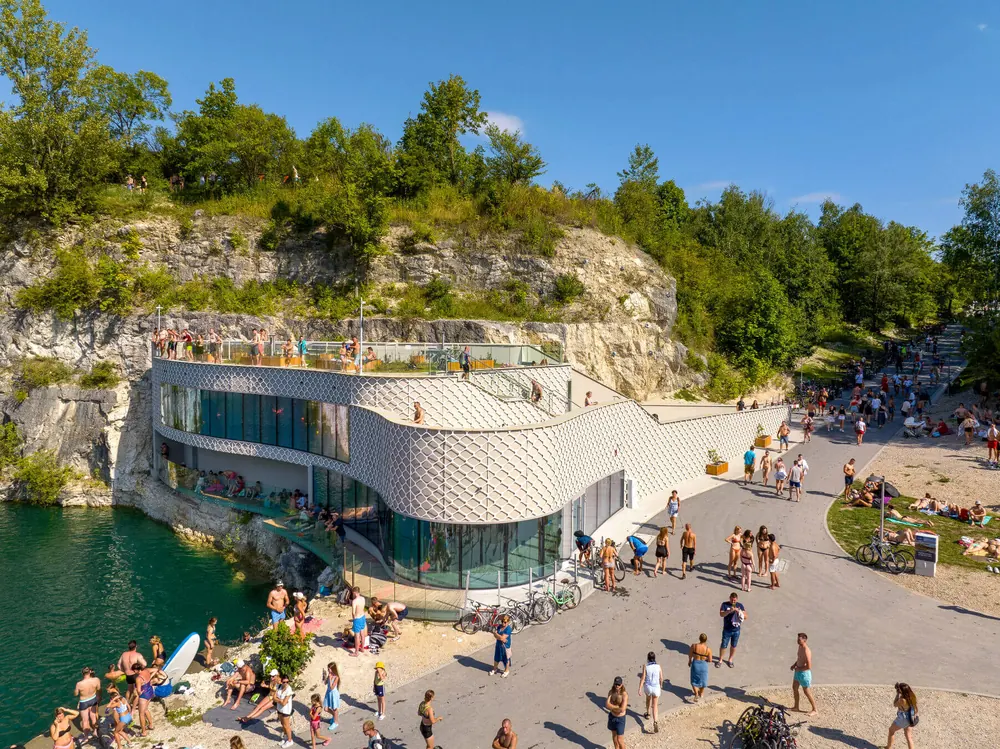
Area: Water Sports Centre, access routes, lifts, rules of use.
We call for an audit of accessibility and the public function of the facility with real users: divers, trainees and people with disabilities. Operator decisions, the CSW and public money require public explanation.
This is not conflict for its own sake. This is responsibility for a place that cannot be easily rebuilt.
We collect observations, photos, recordings and diver accounts. We build an organised knowledge base of what happens below the surface and at the surface.
We separate facts from emotion. We review documents, messages and research results. Where data is missing, we demand publication.
With researchers, universities, organisations, site managers, rescuers, divers, freedivers and residents.
When a threat appears, we report it to the right entities. When intervention is needed, we document the problem and act within the law.
Zakrzówek will survive only if users understand that it is not an ordinary swimming pool. It is a living reservoir shaped by thousands of daily decisions.
The Association is built by people who combine diving, field work and organisational experience. We do not speak about Zakrzówek from a distance. We return under water, document what we see and explain what needs to be checked.
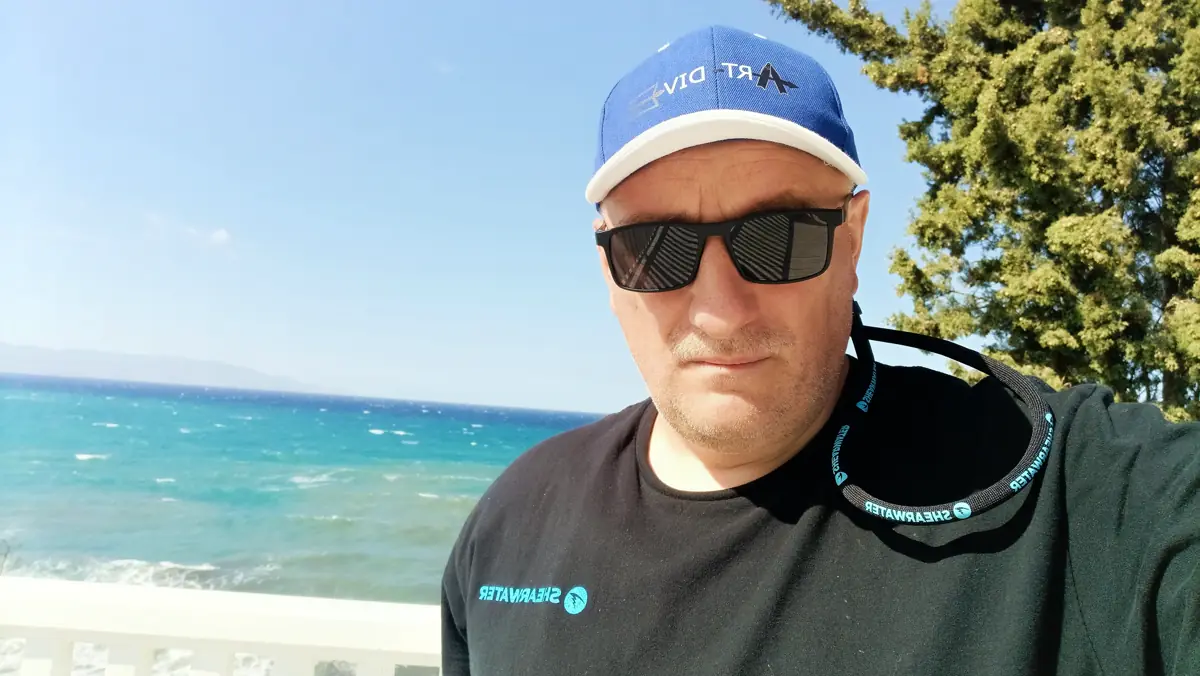
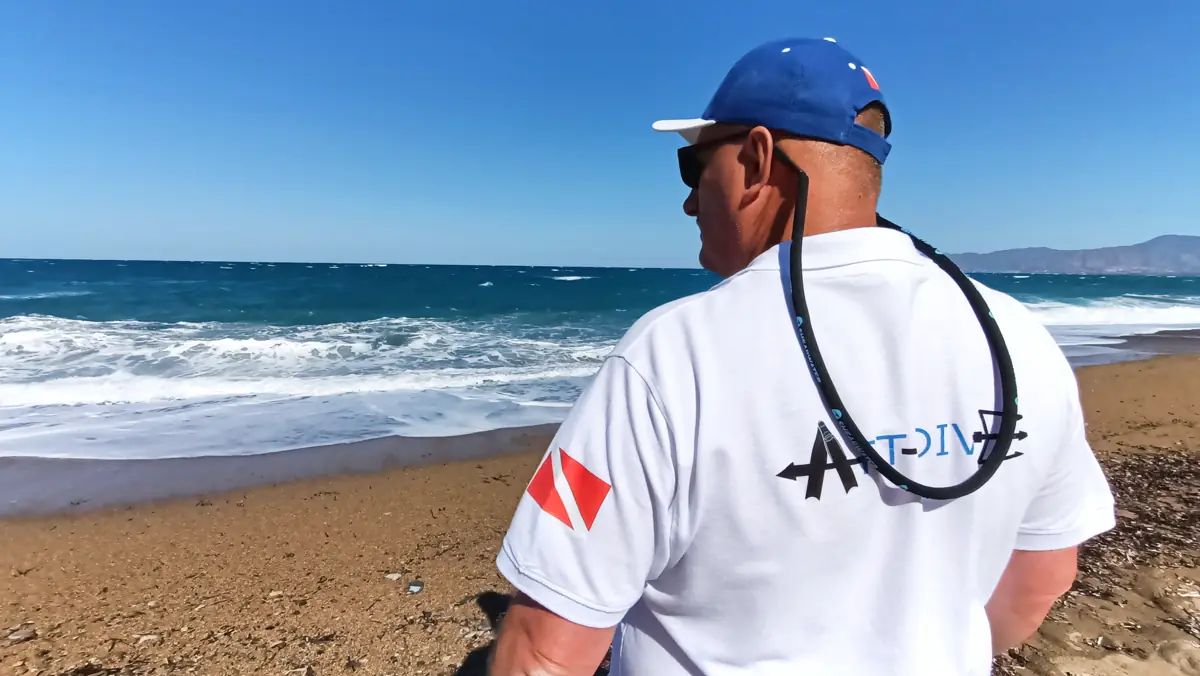
Diving instructor · Artdive · underwater documentation
A water engineering technician, diving instructor and leader of the Artdive group. He has worked with water for more than three decades, from infrastructure to diver training and underwater documentation.
Artur is a water engineering technician by profession, so he looks at a reservoir not only as a diver, but also as a living technical and environmental system. He has been diving continuously since 1992 and has shared his experience as an instructor since 2018.
He leads Artdive, a Kraków diving group, and runs a channel dedicated to diving and equipment testing. His work focuses on safety, reliable equipment choices and calm explanation of risk. He helps divers choose proven solutions that match real needs and conditions.
Clean, unspoiled waters, the Mediterranean Sea and the history of the Second World War are especially close to him, particularly naval and underwater operations. He researches the fate of ORP Orzeł and explores the underwater world, also with drones. In the Association he strengthens field work: observation, documentation, education and the conversation about what under water requires patience, equipment and responsibility.
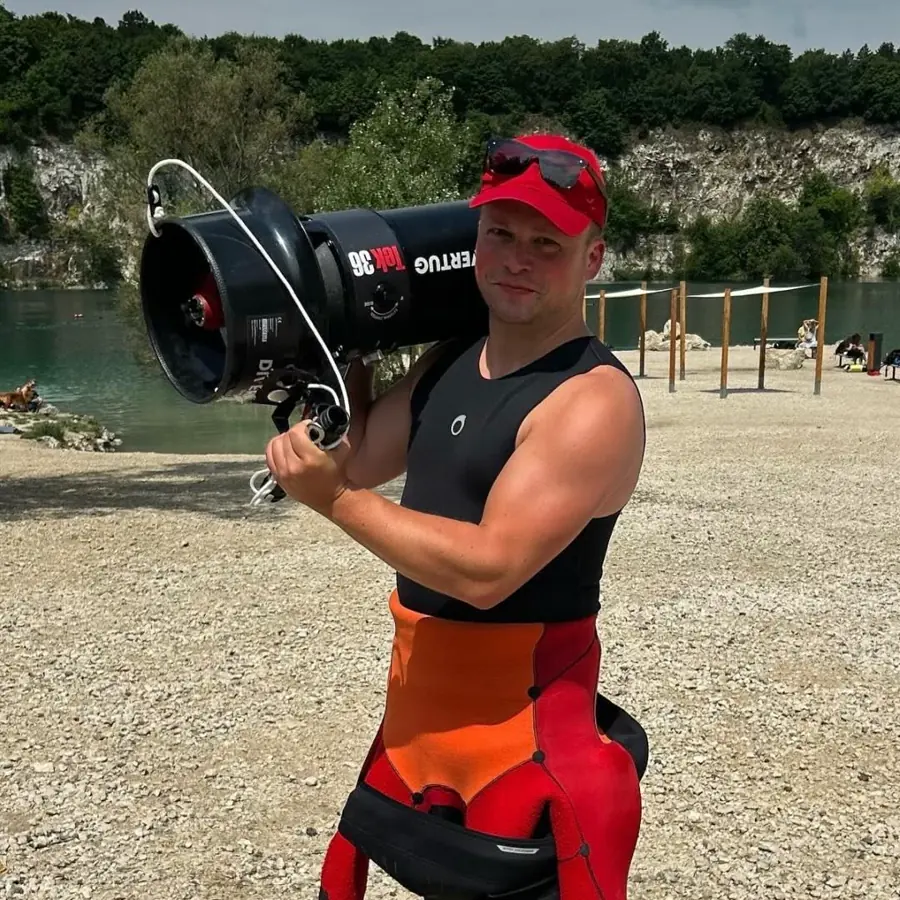
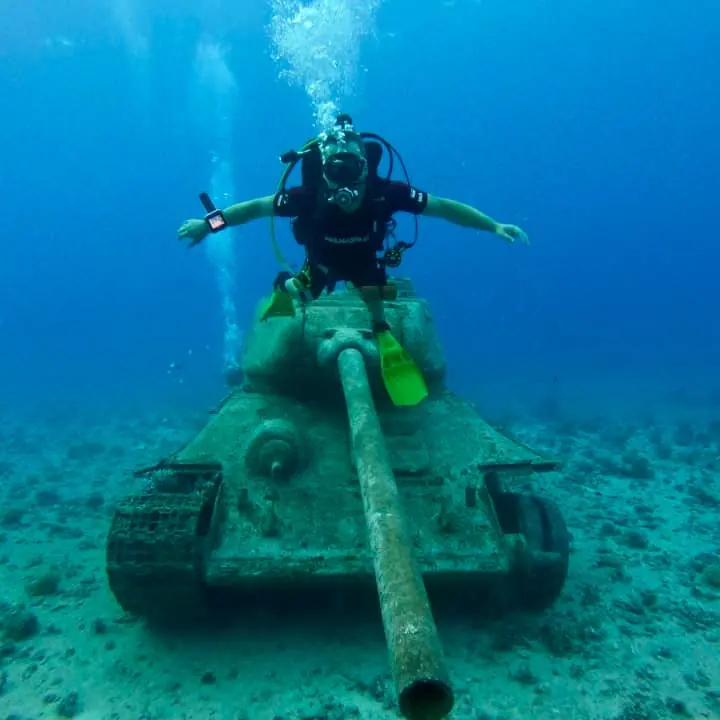
Entrepreneur · physiotherapist · diver
He connects health, business and an active way of life. He is a practical organiser who likes building projects from scratch, adapting quickly and turning people's energy into concrete results.
Marcin studied physiotherapy and completed postgraduate studies in airport infrastructure management. He worked at Kraków Airport, cooperated with sauna facilities in a B2B model, led physiotherapy and recovery projects, and in 2017 created and developed the Ambasada Kobiet physiotherapy and beauty salon, which he later sold.
He has experience in entrepreneurship, property rental, working with people and running projects in changing conditions. He has been diving since 2017, starting at Zakrzówek. He holds AOWD and Nitrox qualifications, has his own diving equipment and a compressor for 200/300 bar cylinders.
Sport, recovery, motorboating, skiing, cycling and social work are important to him, including support for people with disabilities. He also represents the Association in Kraków City Hall's Civic Dialogue Commission for the Environment, where he keeps Zakrzówek present in the city's environmental conversation. In the Association he brings organisational energy, contact with people and a focus on real effect: Zakrzówek should remain an exceptional reservoir for residents, athletes and people who use the water responsibly.
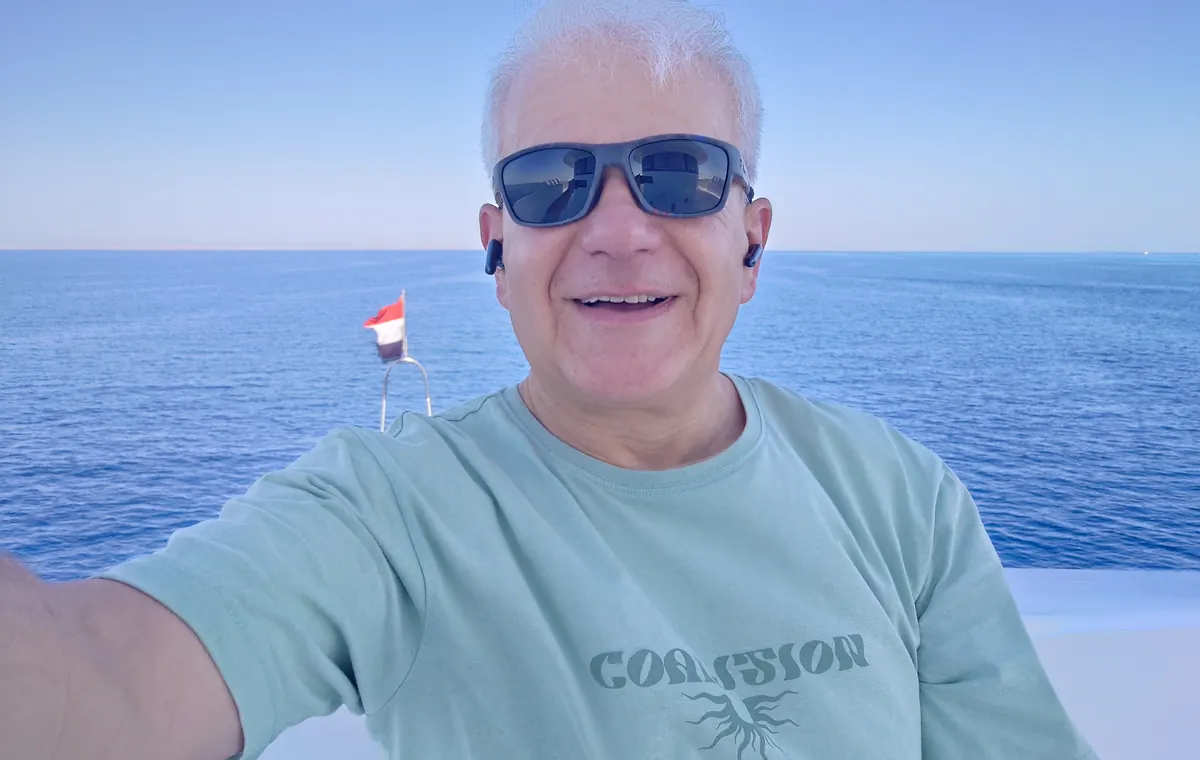
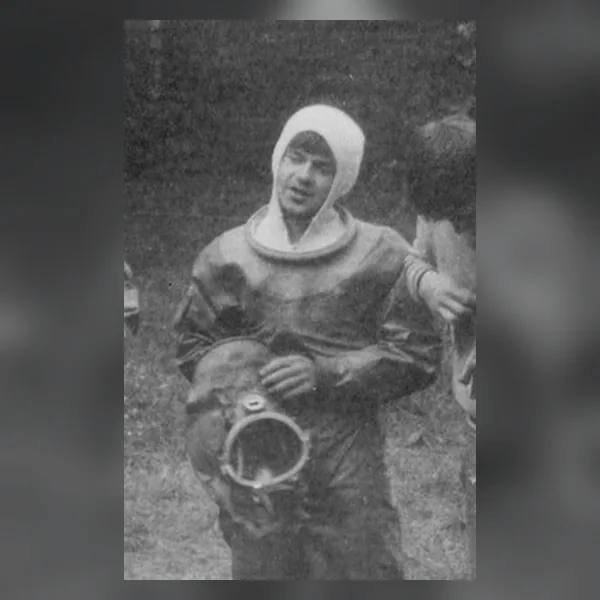
Miner and geologist · aluminium powder production · diver
A miner and geologist by education, Marian has spent more than thirty years organising and securing aluminium powder production. Away from work he returns to water, which has been part of his life since his teenage years.
Marian graduated from the Faculty of Mining and Geology at the Silesian University of Technology. In the light metals industry he manages a large team and is responsible for safe production organisation.
He runs training on handling bulk materials that can explode under specific conditions. During training he shows how to respond to burning metal powders and what must not be done.
He has been connected with water since his teenage years. He is a founding member of Klub Działalności Podwodnej Nautilus in Jastrzębie-Zdrój, where he gained his first diving experience. He likes clean waters full of life, both warm and cold. In the Association he brings technical thinking about risk, procedures and responsibility for people.
What sinks to the bottom does not disappear.
approx. 32 mdeepest point of Zakrzówek
You do not need to be a diver. We need people with legal, communication, documentation, education, research, photography, logistics, accessibility, media contact and social work skills.
We are looking for practical support for documentation and field actions.
Reliable, public and resident-readable research needs funding and expert work.
Waste, a suspicious substance, unusual smell, water colour change, dead fish, dangerous behaviour or waste discharge? Notify the relevant services and send the information to us. The faster documentation exists, the better the chance of an effective response.
The most useful reports include date, time, place, photo or recording and a short description. In urgent situations, contact the appropriate services first.
Zakrzówek raises emotions because it matters. Effective protection of the reservoir requires credibility. We do not replace institutions; we remind them they have a duty to act, and we show that residents can watch decisions closely. Including under water.
What dissolves in the water stays in it too.
What cannot be seen from the platform still exists.
What we do not study today may become the whole reservoir's problem tomorrow.
We were formed to protect what is invisible, while it can still be studied and documented.
Read the dossier, join the documentation effort or send an observation from the field.
Email is the best first step. Briefly describe the matter, place and date. If you can, attach photos, recordings or links to documents.
In urgent situations, contact the appropriate services first. Send documentation to us so we can organise it and pass it on responsibly.
No. Divers see what happens below the surface, but protecting Zakrzówek requires legal, scientific, social, organisational, educational and communication skills.
We are saying there are signals requiring independent, full and public verification. This especially concerns deeper parts of the reservoir, bottom sediments, biomass removal and the long-term impact of intensive use.
ZIS stated in 2025 that testing in the bathing area down to 25 metres did not confirm hydrogen sulphide. Diver reports still point to the need to test the full water column, sediments and bottom zones. Our demand is simple: do not decide without data, but test where problems may occur.
It can be an important step, especially if research is regular, depth-based and technically advanced. The key condition is that results are public, understandable and cover areas indicated by users and divers.
No. The point is responsible use, public data and effective management, not closure.
Yes. The most valuable reports include date, time, place, photo or recording and a short description. In urgent situations, contact the appropriate services first.